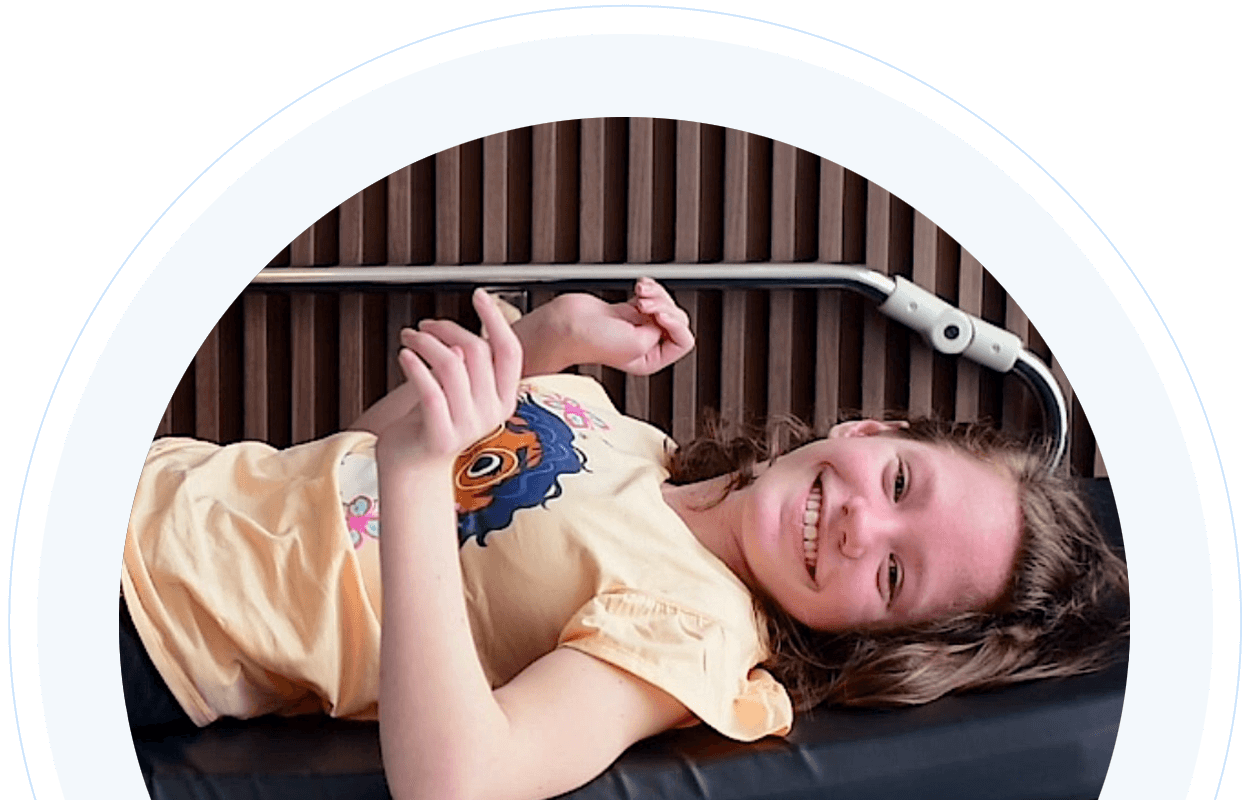
Our research may offer new hope for healing neurological disorders #
Clinical trials are crucial to our research process. We have studied our approach to functional neurogenesis stimulation in a rigorous clinical trial on cerebral palsy and a series of open-label case studies on participants with other neurological conditions. Encouraged by promising results from our initial studies, we have expanded our trials to assess the impact of our protocol on autism spectrum disorders and have also developed protocols for stroke, traumatic brain injury (TBI), vascular dementia, and the neurological impacts of COVID-19.
See which neurological disorders we are focused on
Our Clinical Trial Standards #
Our clinical trials are conducted after carefully analyzing the patient's health and medical history to ensure they are eligible for the protocol study. We strictly follow Good Clinical Practice guidelines, which are U.S. regulatory standards set to safeguard the rights, integrity, and confidentiality of patients involved in the trials. Adherence to these standards helps ensure ethical conduct and reliable outcomes in our research efforts.
We employ robust data monitoring and safety oversight, engage proficient investigators, and use advanced data collection and analysis tools. With each clinical study, we gain invaluable insights, bringing us closer to developing effective treatments that could transform the future of neurological health.
The Role of Technology in Our Protocol #
The core of our protocol utilizes a medical device that emits low-spectrum radiofrequencies. We are evaluating whether these frequencies stimulate neurogenesis and increase the functionality of damaged brain cells.
Our protocols are tailored for specific neurological conditions. After our clinical trials and research, we monitor participants for at least two months to look for potential adverse events and document symptoms improvements.
Learn About Our Innovative Technology
Our First Randomized Clinical Trial (RCT) for Cerebral Palsy #
Randomized Clinical Trial (RCT) are considered the gold standard for scientific experiments that test novel treatments in humans. Clinical trials of this kind are conducted without the participants or researchers knowing who receives the investigational treatment and who is given a placebo.
In 2019, we began our first clinical trial to evaluate the safety and efficacy of our medical device for children with cerebral palsy. To understand the safety of our protocol, we closely monitored participants for adverse reactions during the trial.
Efficacy was assessed using tools that measure the degree of spasticity or stiffness in the muscles and aspects of quality of life. We also collected data on the structure and function of neural circuits in the brain.
More about our cerebral palsy clinical trial on ClinicalTrials.gov.
Ongoing Research and Future Trials #
Research and clinical trials form the foundation of our efforts to deliver innovative treatments to people with neurological conditions. They are currently conducted at our NeuroCytonix Mexico center in Monterrey. Currently, we have several open-label studies for neurological conditions such as stroke, traumatic brain injury (TBI), vascular dementia, and neurological impacts of COVID-19. Additionally, we will soon launch enrollment for randomized, placebo-controlled clinical trial testing our protocol for children with autism spectrum disorder.
Preparing for Clinical Trials #
To prepare for our clinical trials or open-label research, follow these steps:
- Review the informed consent document on the study's purpose, procedures, risks, and benefits.
- Discuss any concerns with our research team and ensure you meet all eligibility criteria.
- Provide a comprehensive medical history to our investigators.
- Plan your schedule to accommodate the protocol study duration and post-study follow-ups.
- Take note of the study duration, required visits, pre-trial tests, and potential side effects to ensure you have all the necessary information.
- Maintain open communication with our research team and closely follow all study instructions.
- Keep a personal record of your protocol experience and any side effects that can help you and our team.
To find out if you or a loved one are eligible for our protocols, please contact us.
NeuroCytonix Mexico Clinical Research Center #
Discover the future of medical research at our state-of-the-art clinical research center.