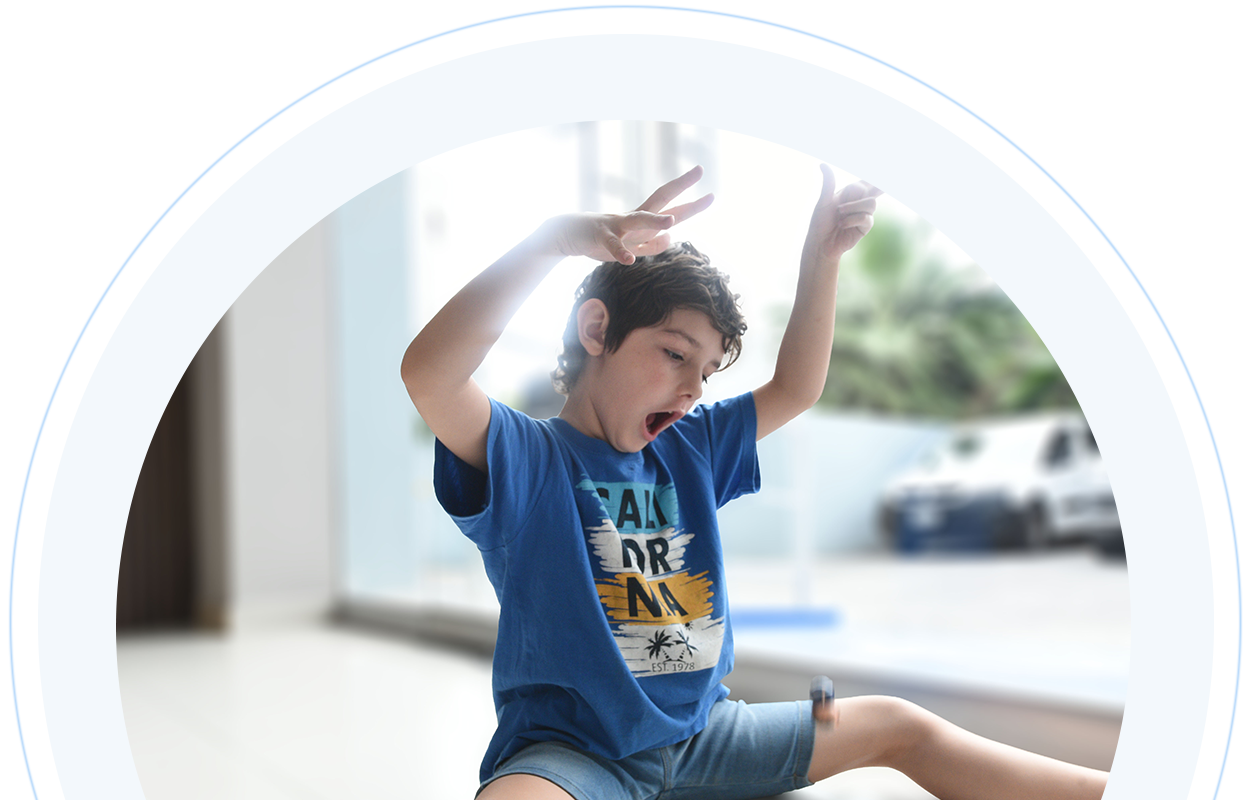
Current Autism Therapies and Treatments #
Current therapies attempt to help children and adults with autism function at home, in school, and at work. Because each person with autism has a unique constellation of strengths and weaknesses, and because autism symptoms vary significantly, therapy is generally tailored to the individual and adapts as they develop and grow. These treatments tend to be most effective if intensive and begun as early as possible in a child’s life.1
Many therapies have been developed for children with autism, but not all have consistently demonstrated clinical effectiveness in relieving autism symptoms. The treatment examples listed below are generally supported by robust clinical studies, such as randomized controlled trials. Many other scientifically supported therapies exist, and parents should work with an autism specialist to find the right therapy for their child.
Comprehensive Treatment Models #
Comprehensive Treatment Models are designed to help teach children a broad range of social and adaptive skills. These treatments are designed to be intense, treat multiple issues simultaneously, and change over time as a child ages. The majority of these treatment models are based on Applied Behavioral Analysis, a framework for general behavioral learning. Studies have shown that many children with autism may benefit from this type of program, especially if started early.2
Focused Interventions #
Focused interventions are designed to help children build individual skills or manage specific symptoms.2 These are often included within a Comprehensive Treatment Model. Some examples include:
- Occupational (motor) therapy
- Speech or language therapy
- Educational support
- Sensory therapy
Medications #
Medications can be useful to treat co-occurring conditions like sleep disturbances,3 attention deficit/hyperactivity disorder (ADHD), depression, or anxiety. Epilepsy, which is more common in children with autism than in the general population,4 can also be treated with drugs.
#
References #
- Hyman SL, Levy SE, Myers SM, Council On Children With Disabilities SOD, Behavioral P. Identification, Evaluation, and Management of Children With Autism Spectrum Disorder. Pediatrics. Jan 2020;145(1). doi:10.1542/peds.2019-3447
- Hume K, Steinbrenner JR, Odom SL, et al. Evidence-Based Practices for Children, Youth, and Young Adults with Autism: Third Generation Review. J Autism Dev Disord. Nov 2021;51(11):4013–4032. doi:10.1007/s10803-020-04844-2
- Nogueira HA, de Castro CT, da Silva DCG, Pereira M. Melatonin for sleep disorders in people with autism: Systematic review and meta-analysis. Prog Neuropsychopharmacol Biol Psychiatry. Apr 20 2023;123:110695. doi:10.1016/j.pnpbp.2022.110695
- Specchio N, Di Micco V, Aronica E, et al. The epilepsy-autism phenotype associated with developmental and epileptic encephalopathies: New mechanism-based therapeutic options. Epilepsia. Apr 2025;66(4):970–987. doi:10.1111/epi.18209